
SUJEE'S TRAVEL TIPS
and answers to some common questions
FAQ's
Some common questions answered
Travel Tips
A few tips for your visit to this beautiful place
What to Bring
A few items to pack for Sri Lanka
FAQ's
While there’s so much that this land has to offer that you will crave for more, a trip of 7 days is enough if you wish to explore a variety of activities and places here!
A tourist visa is required to visit Sri Lanka. You must apply in advance – you can apply here. The process is quick and easy, it will take 5 minutes and cost approximately $35 USD.
Tourist Visas in Sri Lanka are valid for 30 days so take this into consideration when booking flights.
Please note – visa conditions and prices can change, so always check the official website for the most current advice.
Since Indian currency doesn’t work in Sri Lanka, you’ll have to carry the local currency of rupee (LKR) there. The amount of money to be carried depends on your itinerary and budget.
As tap water is not safe to drink in Sri Lanka, only drink bottled mineral water, which is readily available in hotels, shops and restaurants. You should also avoid salads, which may be washed in unhygienic water, and ice, which may have been made with it.
Travel Tips
Life in Sri Lanka is slow and laidback. The people are never in a hurry for anything and if you are coming from the city or anywhere fast-paced it might be hard to wind down. Take it easy and try not to fill the day with too many activities, you might not get to do all of them with all the eating you will be undertaking.
Sri Lanka carries so much history that it’s a waste to visit and not learn a bit about it first. Take some time to learn about the Civil War and the Colonial era before that. It’s only been a few years since the war ended and the people of Sri Lanka have had to re-adjust to a non-colonial, post-war life. By knowing a little of what they went through, you will appreciate your time there more.
For an island roughly the tiny size of Ireland, Sri Lanka packs a serious punch when it comes to diversity of things to see and do.
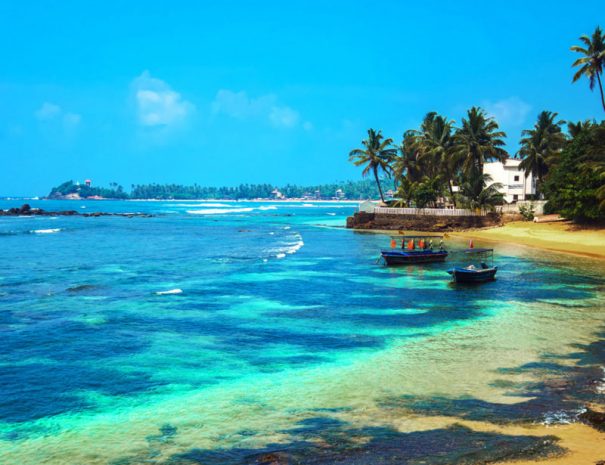
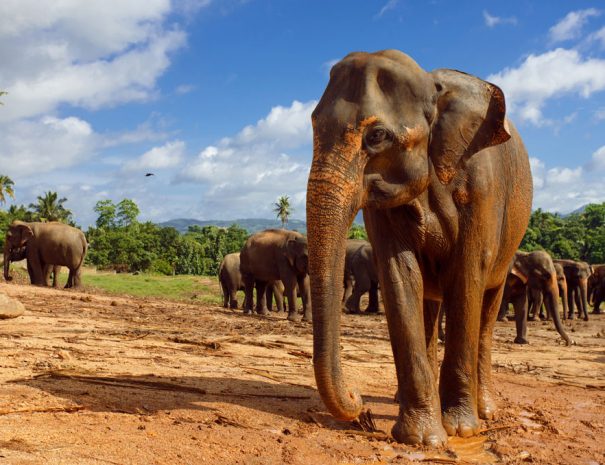
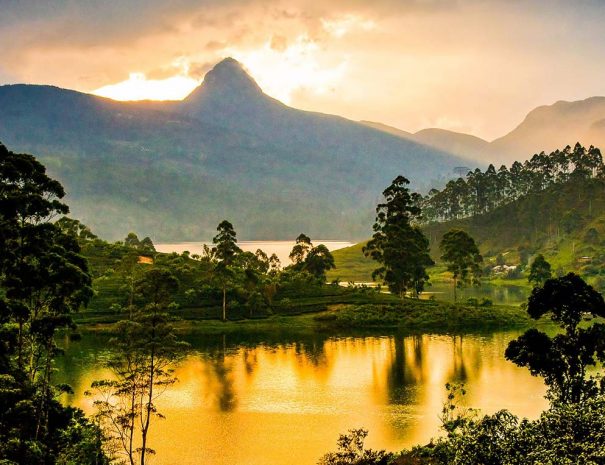
Endless golden beaches with pumping surf ring the island’s lush, jungle-clad heart; bustling cities full of colour and spice give way to hidden palm-fringed hidden alcoves; timeless World Heritage sites dot all corners of the island, while Elephants and Leopards still roam national parks in abundance.
Then, there are the wonderfully friendly locals, the picturesque train rides, the tastiest cuisine you could gift your tastebuds with, and more than one vibrant and fascinating cultures steeped in ancient history and tradition.
It’s the kind of diversity entire continents dream of, and all packed into one small island in the Indian Ocean. Utopia, plain and simple.
With jazz clubs, rooftop bars, boutique stores and internationally acclaimed restaurants, Colombo can no longer be considered a mere gateway city. And though there are a number of sights to see, the capital is also a great place to simply settle in and get a sense of what local life is like.
Watch families fly kites on Galle Face Green at sunset. Then cheer for the national cricket team at the R Premadasa Stadium, or observe grandmothers swathed in vivid saris bargain with stallholders at Pettah Market.
Tuk-tuks, buses and shops will usually not have change for big bills. Thankfully ATM machines give change when they dispense money. Some international cards are not very successful so bring more than one. Tipping is normal in cafes and restaurants as well, leaving a 20 or a 50 rupee note is quite alright.
Taking photographs in religious places and government institutions
The political and socioeconomic majority of Sri Lanka is Buddhist. The customs for entering a Buddhist temple respectfully include entering without shoes, dressing conservatively, not pointing feet at the Buddha figures, not getting too close to the monks or touching them (especially their heads) and being respectful of the worshippers. It is expected of visitors to follow all of these rules, yet there is one custom/law that can get you in real trouble. Some Buddhist temples and all government institutions do not allow photographs taken of the premises. Of course, the most touristy Buddhist temples, like Gangaramaya in Colombo, allow photographs to be taken but they have to be respectful. Photography in government institutions is strictly forbidden.
What to Bring
When visiting temples or religious sites please be aware that shoulders and legs need to be covered.
If visiting the mountainous area in Sri Lanka, you must take some kind of warm coverup for the colder nights and crisp mornings.
The island of Sri Lanka is best discovered slowly, and that definitely means walking. Better if the shoes are light and breathable since it can get hot and humid. Flip flops are also practical if spending time on the beach. If you plan to go hiking, then consider those kinds of shoes that are full terrain. Keep in mind that your shoes will get wet, either by getting caught in the rain or stepping in a puddle, or on the beach etc.
Never let a few mosquitos ruin your holiday. Bring along your favorite mosquito repellents when visiting Sri Lanka. If you run out of your favourite repellent, there are various products available in the pharmacies and natural product stores.
The sun shines really strongly in the tropics, and Sri Lanka is especially intense. Don’t forget your usual sun protection creams and bring along something stronger just in case.